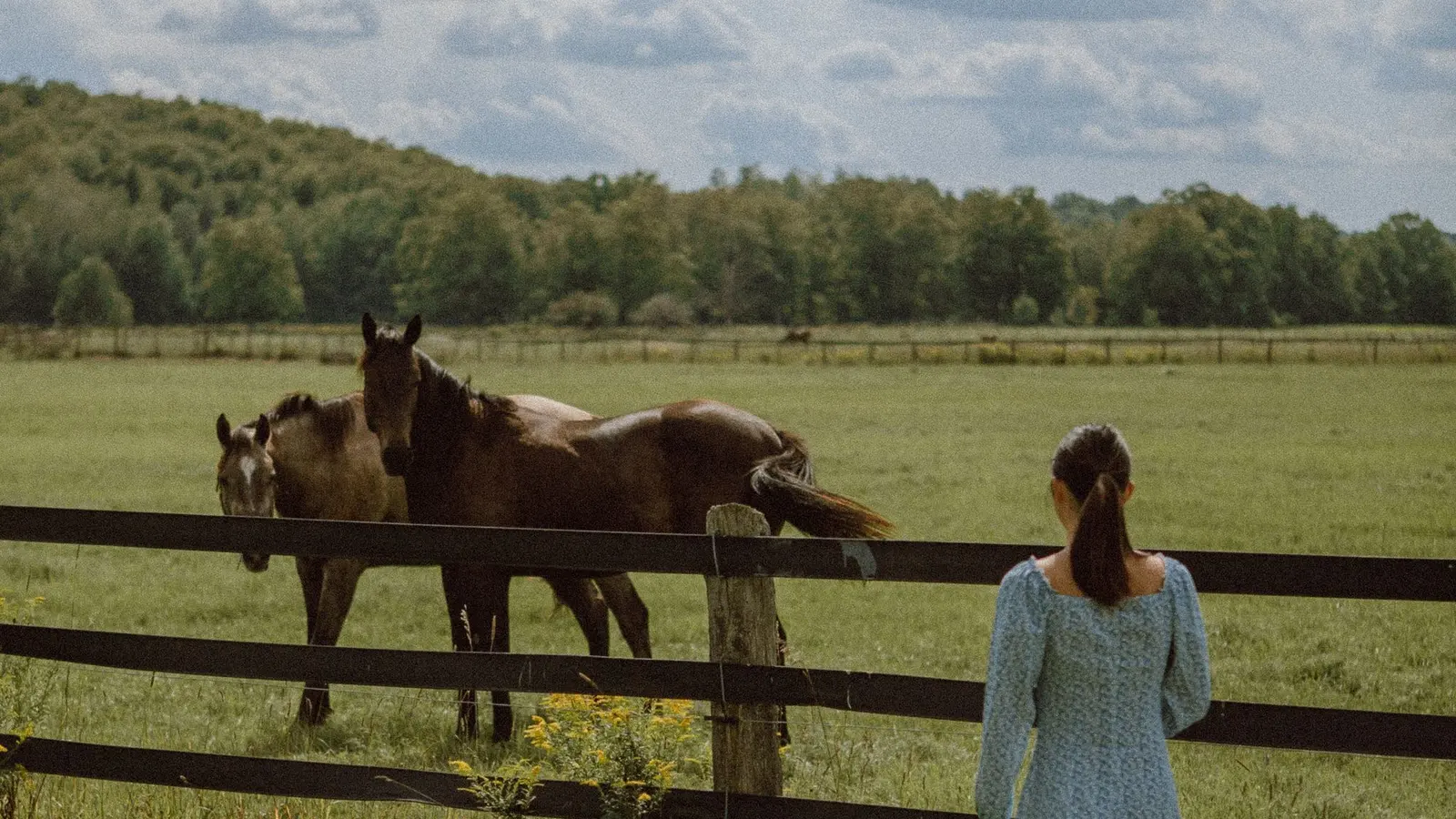
Horses and Human Wellbeing: An Introduction
Time with horses can include observation, care, or guided activities. Calm attention and safe boundaries help people engage thoughtfully.
People use the phrase “time with horses” to describe many kinds of contact, from watching a horse in a pasture to taking part in routine care or a structured activity with a facilitator. These experiences differ in purpose, setting, and level of involvement. Some are primarily recreational or educational; others may be offered as supportive activities. None has a single meaning or outcome for every person.
Learning about horses and wellbeing begins with understanding both sides of the interaction. Horses are large, responsive animals with their own needs and limits. People bring varied interests, abilities, and expectations. A thoughtful approach respects the horse as an animal rather than treating it as a tool for a particular result.
What time around horses may involve
Contact can be active or observational. A person might watch horses move and interact, learn about their behavior, groom with supervision, help with appropriate stable routines, or take part in a guided ground-based activity. Riding is another distinct form of involvement and requires separate attention to instruction, equipment, and safety.
The setting matters. A quiet observation visit is not the same as handling a horse, and a facilitated session differs from ordinary stable care. Activities should suit the participant’s comfort and abilities while accounting for the horse’s welfare. A person can choose not to touch or approach a horse; observation can still be a meaningful way to learn.
Why calm attention matters
Horses respond to movement, sound, proximity, and changes in their surroundings. Calm attention means noticing these factors, moving deliberately, and allowing space rather than assuming that a horse welcomes contact. It also means watching for signs that a horse is uneasy, distracted, or seeking distance, and following the guidance of a qualified handler.
For people, steady attention can make an encounter easier to navigate. Noticing the environment and the horse’s behavior may help a participant stay aware of boundaries and communicate clearly. This is not a guarantee of relaxation or any particular emotional effect. Feelings and responses vary, and no activity with horses should be presented as a substitute for care from a licensed therapist or doctor.
Safety, consent, and horse welfare
Horses can move suddenly, even when they appear settled. Safe interaction depends on suitable supervision, clear instructions, appropriate handling practices, and a setting that gives both people and horses room. A veterinarian can advise on a horse’s health and care; qualified equine professionals can guide handling and stable routines. People with health concerns should consult an appropriate licensed professional about their own needs.
Respect for the horse includes recognizing when participation should pause or end. A horse’s comfort, health, and ability to withdraw matter. Likewise, participants should be able to set personal limits and decline an activity without pressure.
Exploring equine wellbeing topics
Readers can explore the subject through distinct questions: how horses communicate, what responsible care involves, how to prepare for a supervised visit, and what to consider when an activity is described as supportive. Clear information separates general learning from professional health care and avoids promising outcomes.
Approaching each topic with curiosity, realistic expectations, and respect for animal welfare provides a useful starting point. The aim is informed understanding of the many ways people and horses may share time, while keeping safety and individual needs in view.
Articles
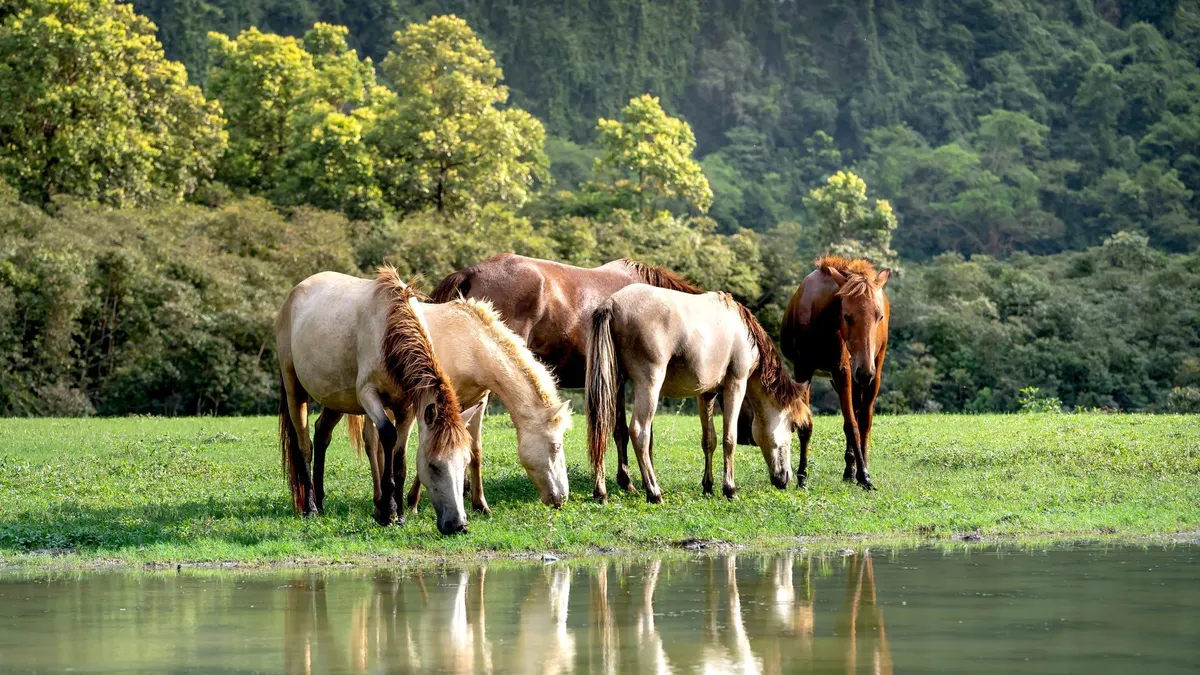
Why Horses Are Chosen for Equine-Assisted Activities
Horses’ awareness of their surroundings, social behavior, and responses to body language help explain why they are included in some assisted activities.
Read article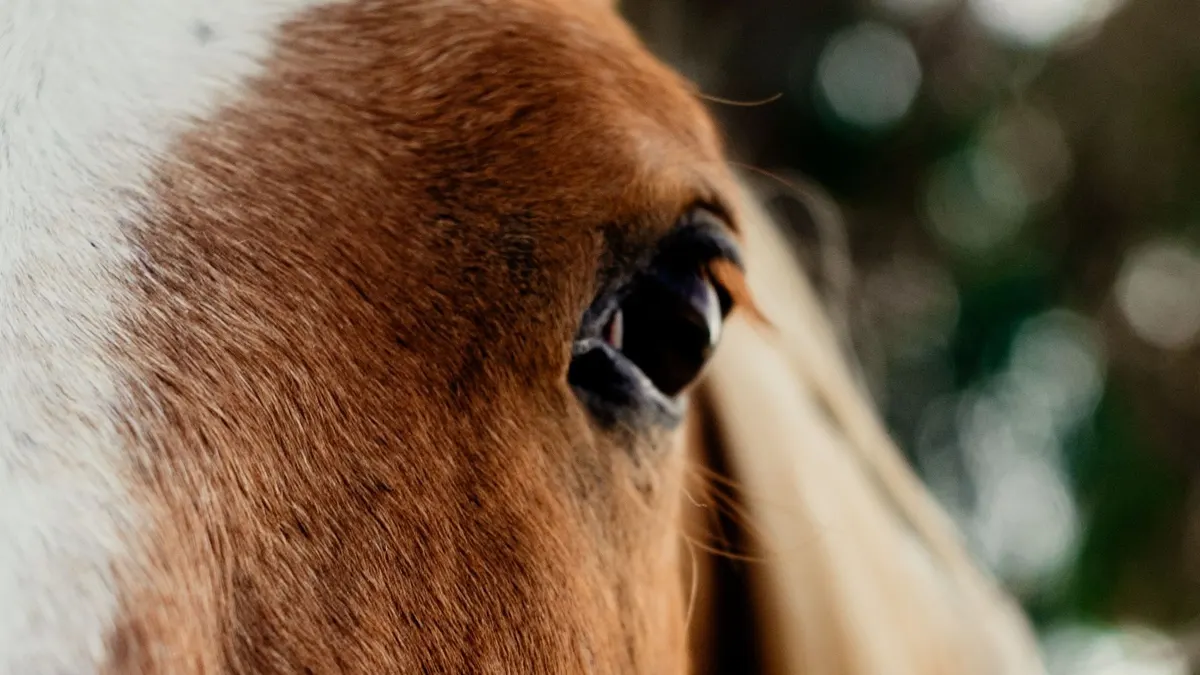
How Horses Perceive People and Their Surroundings
Horses take in people through broad vision, sensitive hearing, and close attention to movement. Understanding these senses can support safer handling.
Read article
Joy as a Coping Skill During Stressful Periods
Everyday enjoyment can offer a pause during stressful periods. Small routines, time outdoors, and calm animal contact may support general wellbeing.
Read article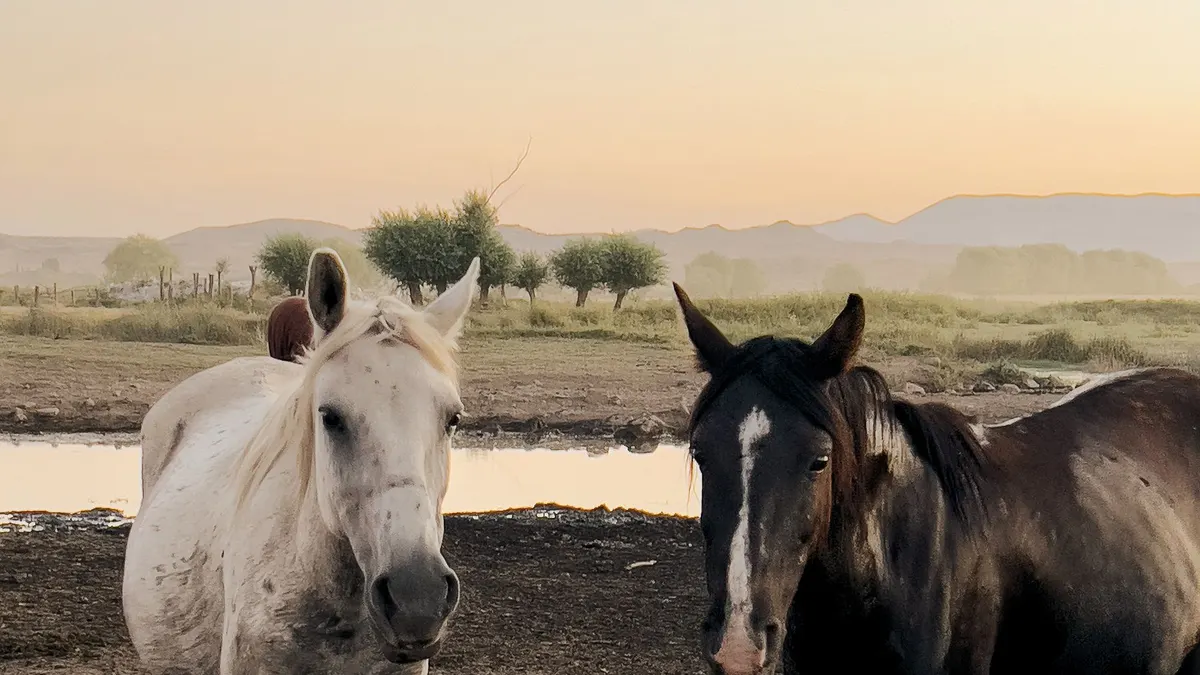
Finding a Sense of Connection in Nature and Around Horses
A sense of wholeness may come from feeling present and connected. Nature and quiet time around horses can offer settings for noticing that experience.
Read article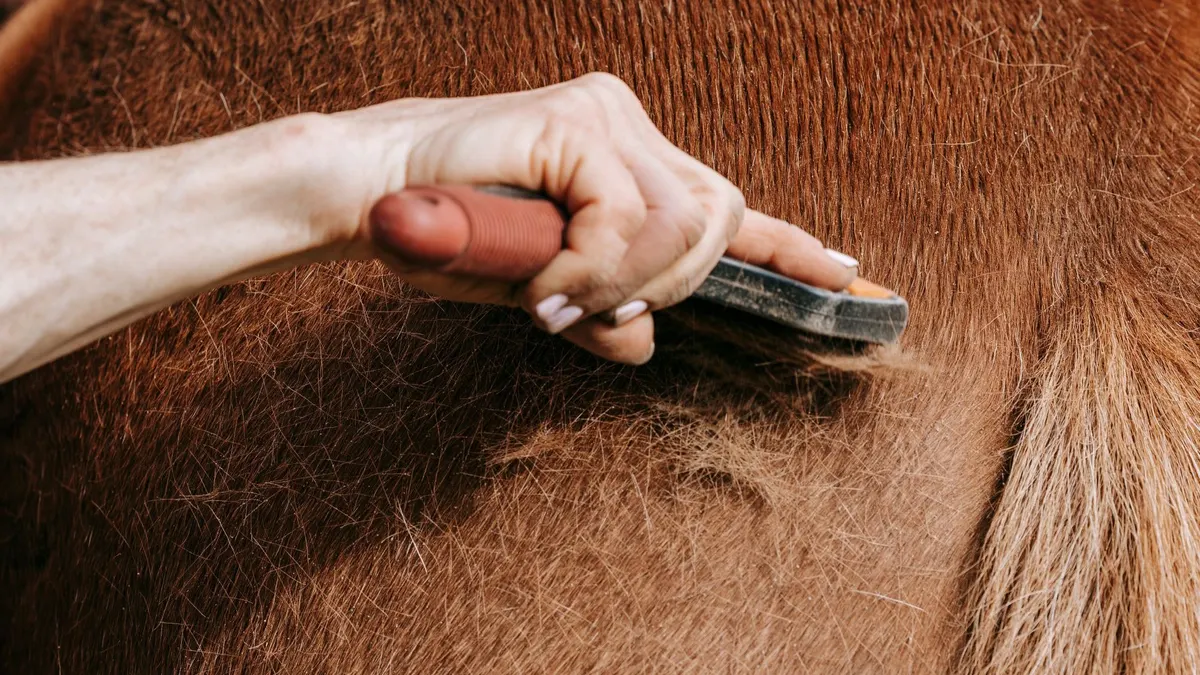
A Facilitator’s Role in Equine-Assisted Sessions
A facilitator helps structure equine-assisted sessions, with clear boundaries, safety practices, and attention to the horse’s wellbeing.
Read article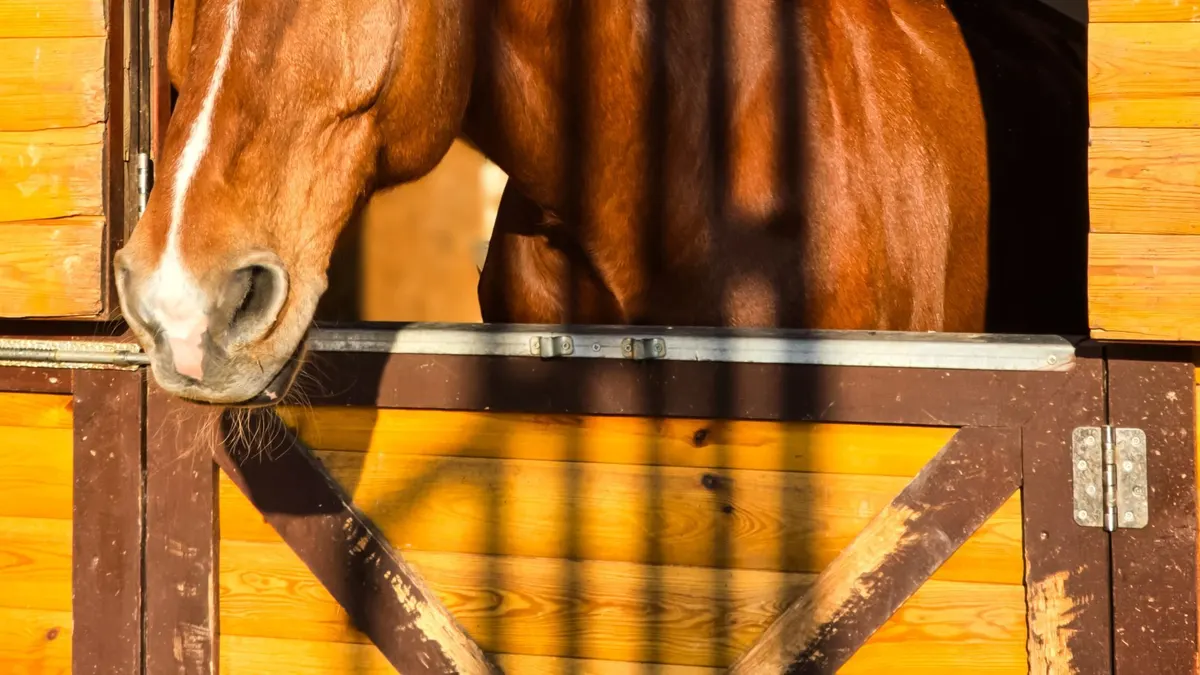
Reading a Horse’s Body Language
A horse’s ears, tail, breathing, and stance can offer clues about attention and comfort. Context and changes in behavior matter more than any single signal.
Read article
Simple Outdoor Gratitude Rituals and Fire Safety
A simple outdoor ritual can use quiet reflection, a few spoken or written acknowledgments, and a safe closing routine.
Read article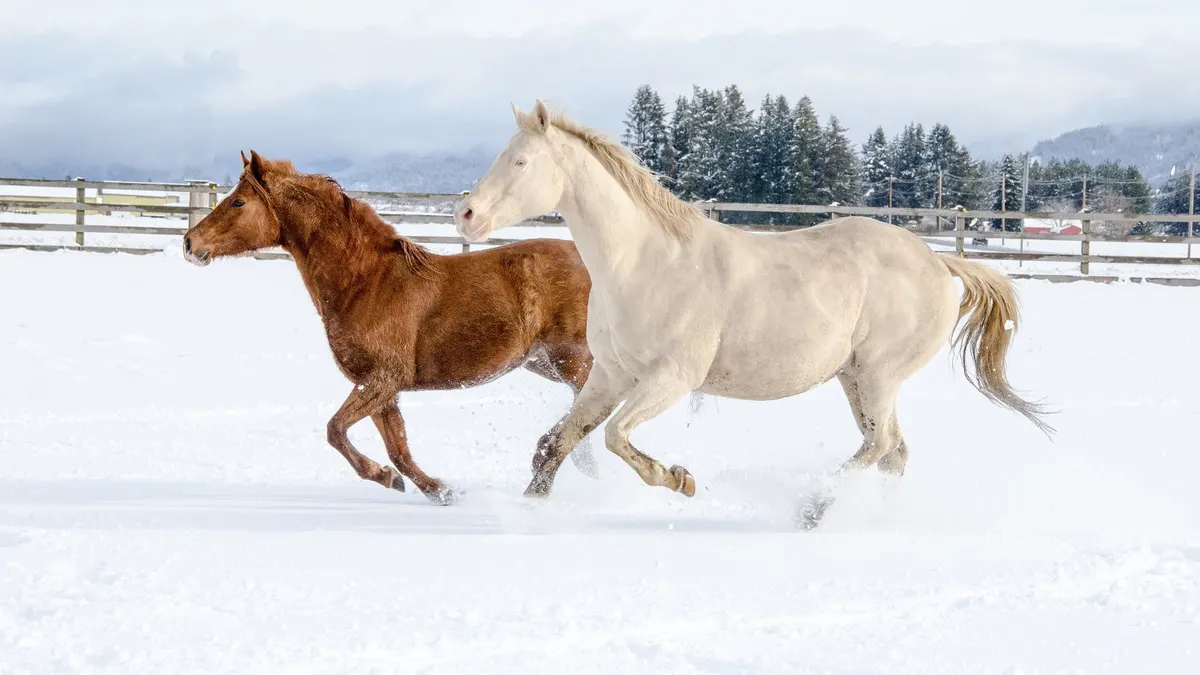
Horse Care and Personal Wellbeing During the Winter Holidays
Holiday schedules can shift, but steady feeding, daily checks, and realistic plans help support horses and the people caring for them.
Read article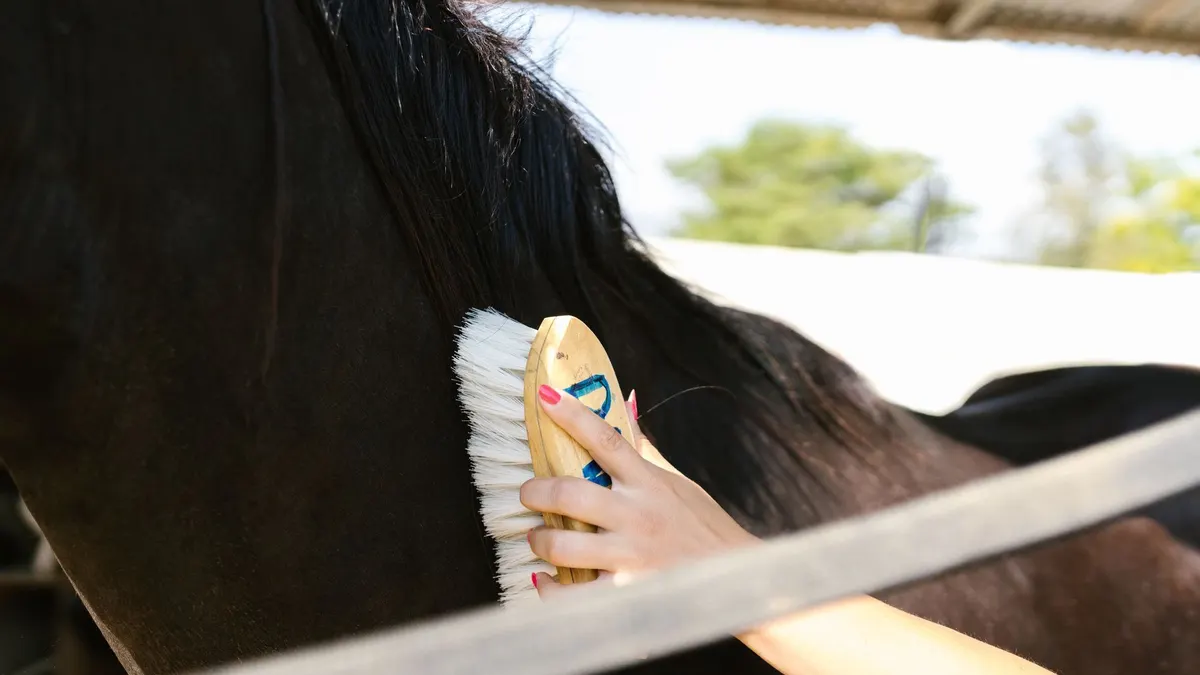
Everyday Foundations of Equine Health
Forage, movement, and attentive hoof care support everyday equine wellbeing, while a veterinarian remains central to health decisions.
Read article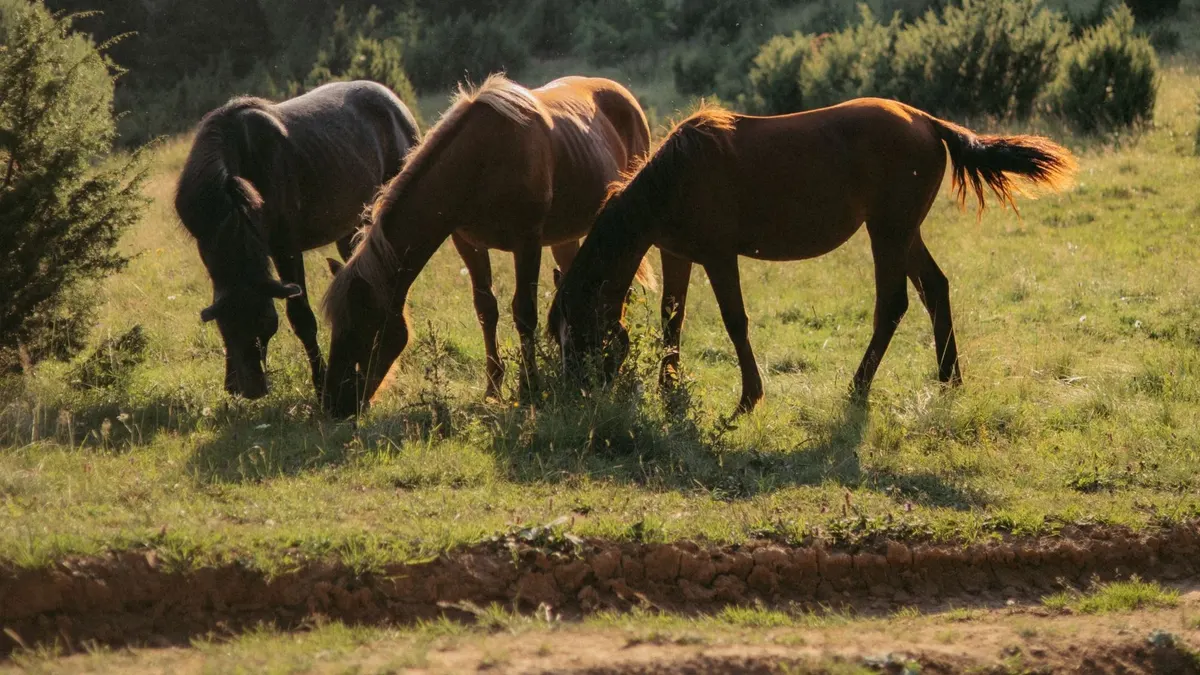
Horse-Keeping Traditions in Rural France
Rural horse keeping in France reflects varied landscapes, practical work, and regional customs, from mountain paths to open pasture and village stables.
Read article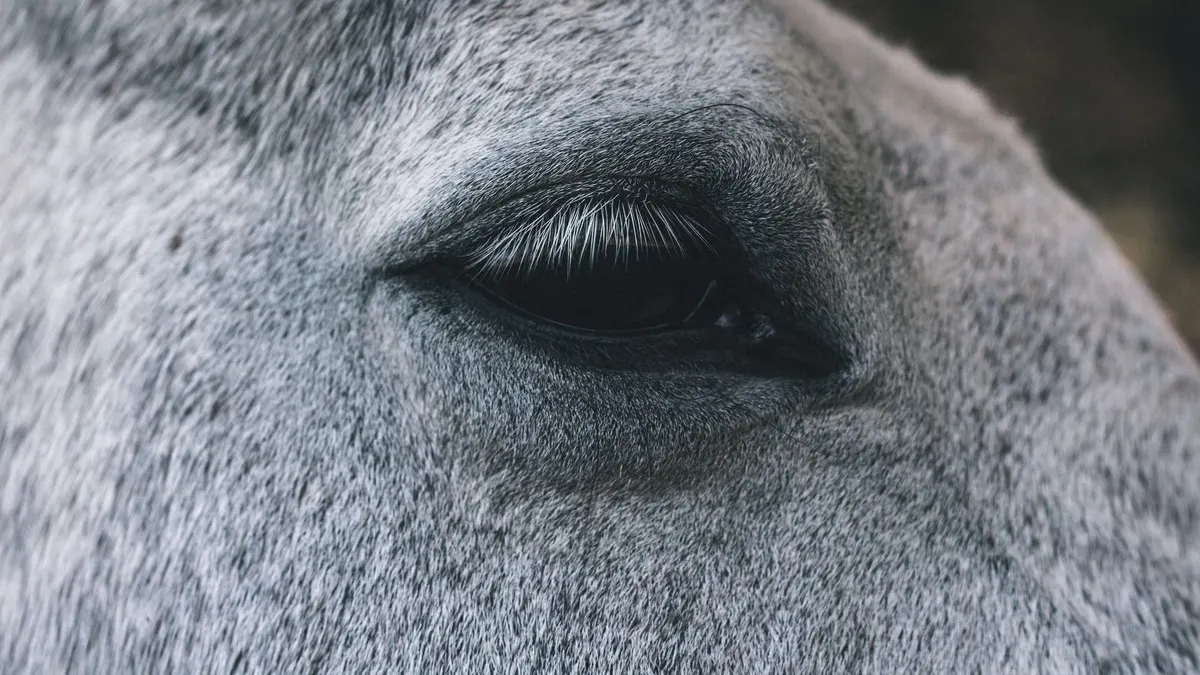
Observation and Intuition in Horse Work
Separate what a horse visibly does from what a person infers, while using intuition as a prompt for careful observation and note-taking.
Read article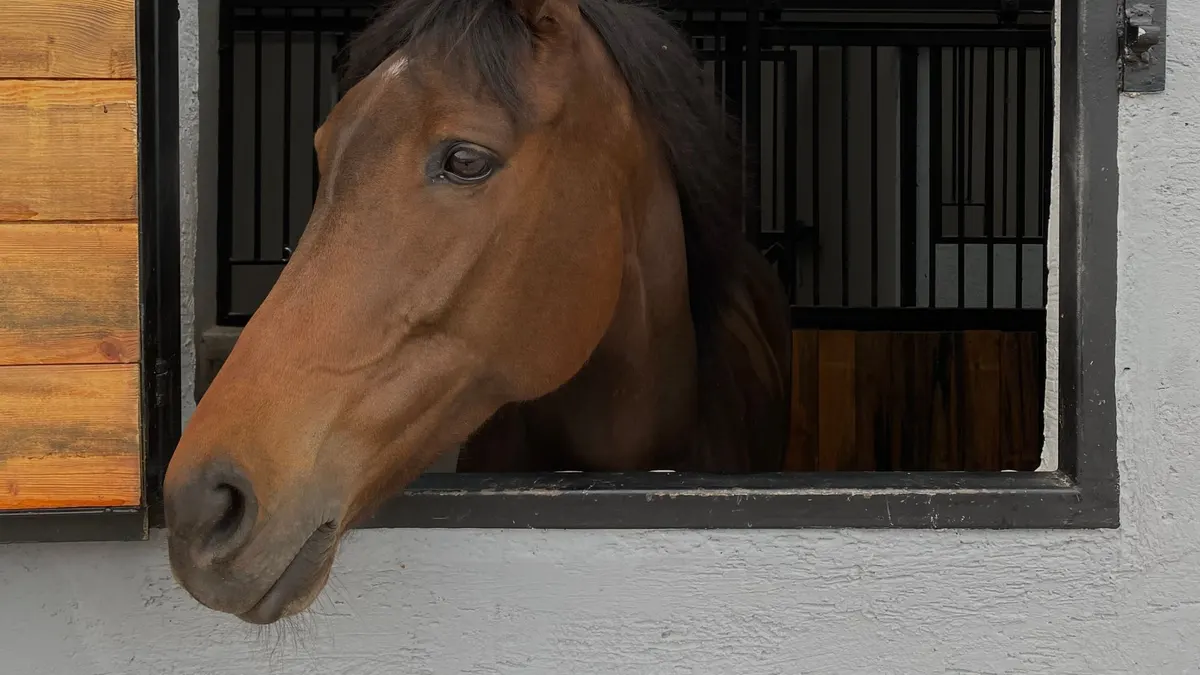
Herd-Based Horse Keeping: Space, Social Life, and Daily Care
Herd-based care can provide room to move and opportunities for social contact. It also depends on careful group management and daily chores.
Read article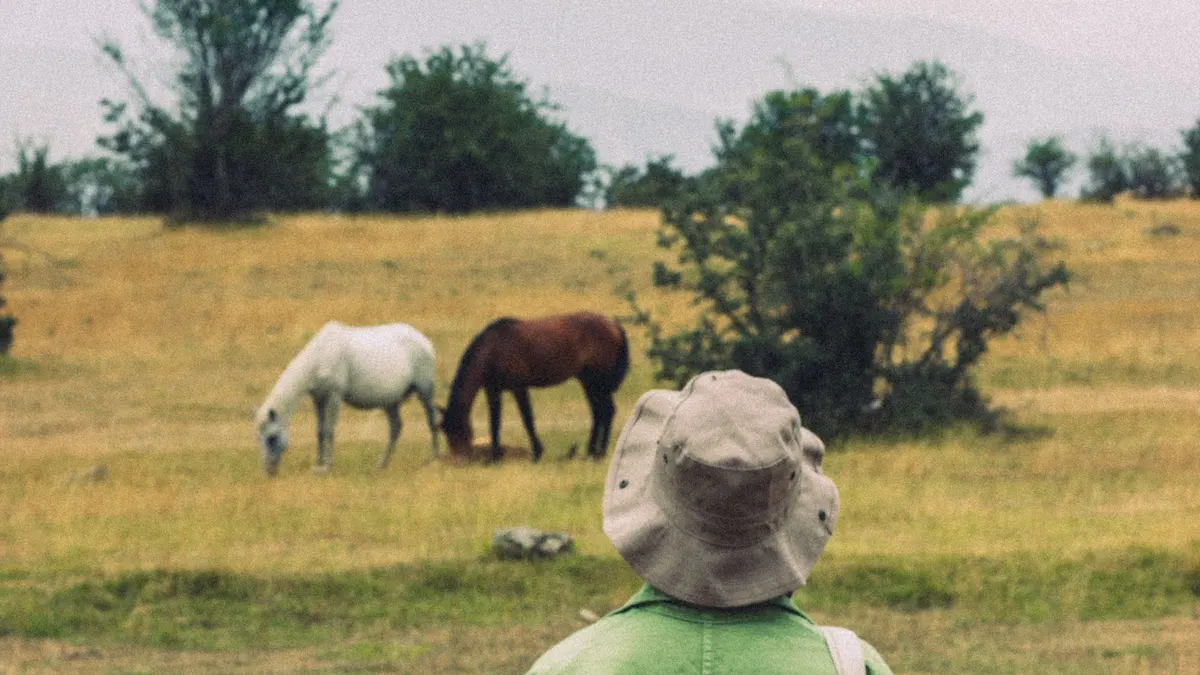
Continuing to Learn After an Online Horse Course
Turn ideas from an online horse course into steady learning by reviewing notes, practicing one skill at a time, and checking what to explore next.
Read article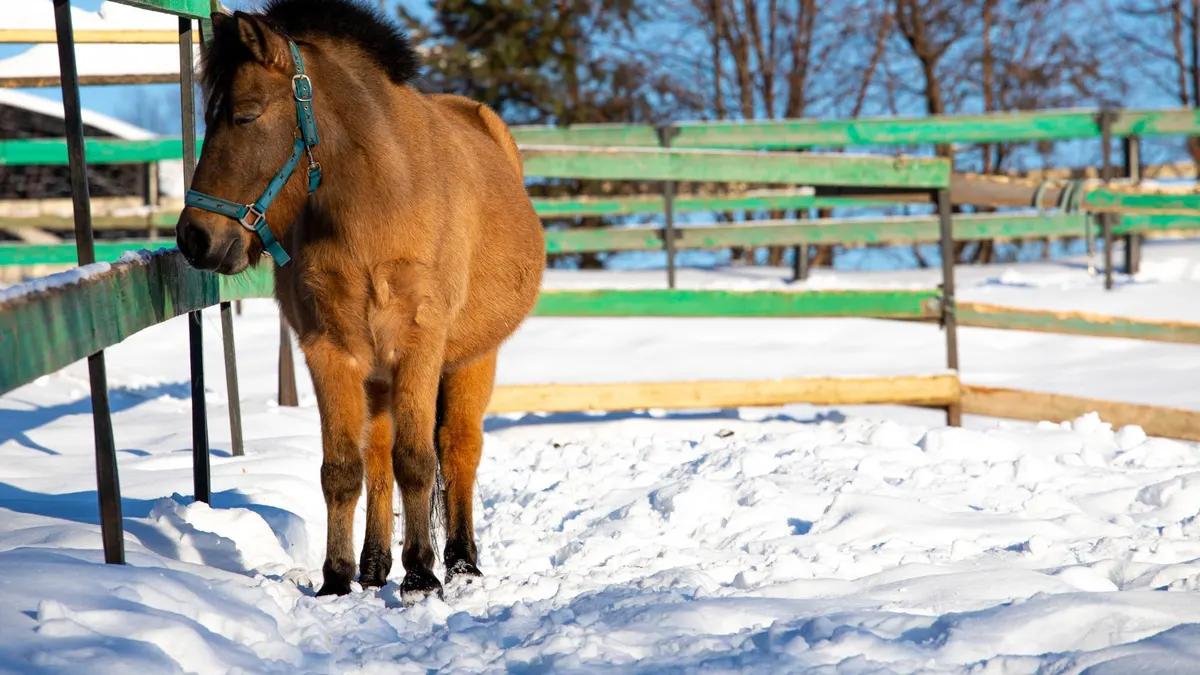
Living Alongside Skunks on a Horse Property
Secured feed, tidy storage, and calm responses can reduce conflicts with skunks and other small wildlife around horses.
Read article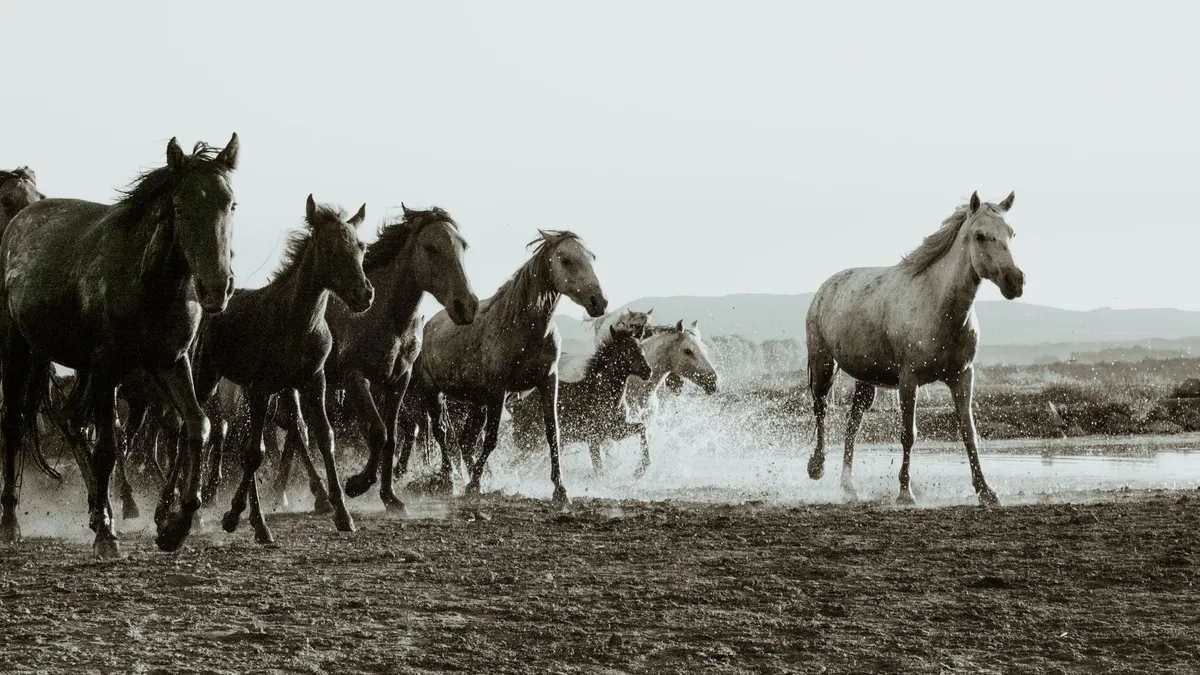
Finding Gratitude in Everyday Time With Animals
A simple gratitude habit can grow from noticing small details during ordinary moments with animals, without adding pressure to the routine.
Read article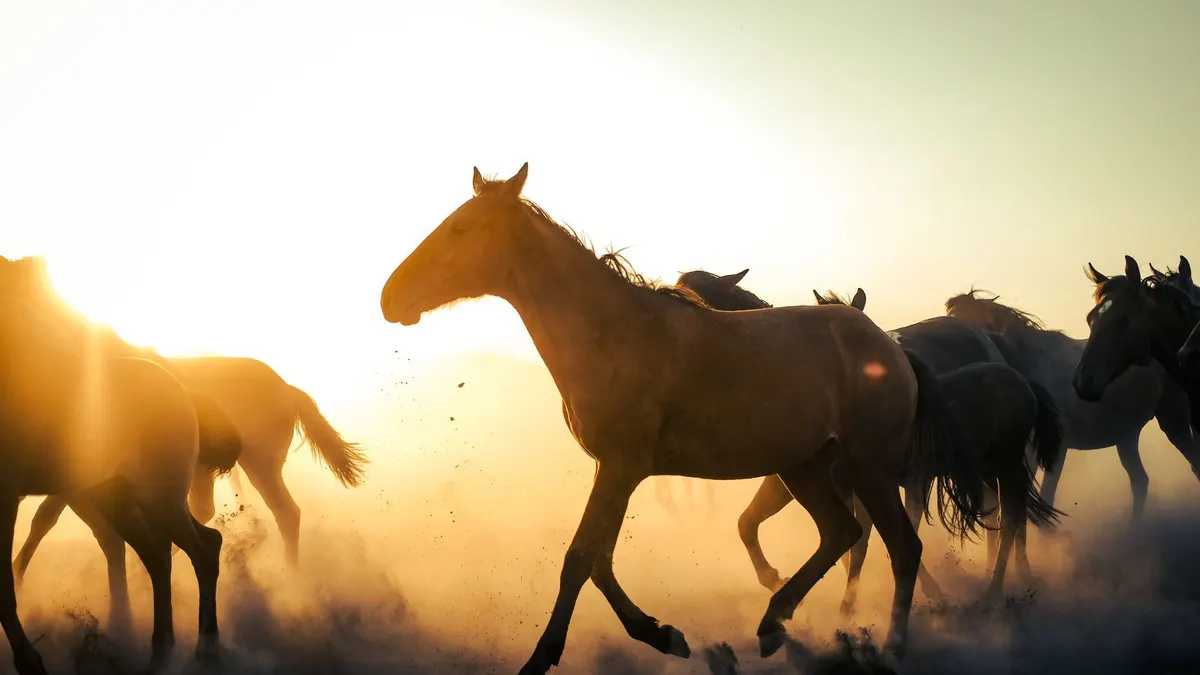
Living With a Mustang: Trust, Care, and Patience
A mustang’s past may influence how it responds to people and routines. Thoughtful handling, individualized hoof and feed care, and patience can support adjustment.
Read article