Horse Care and Personal Wellbeing During the Winter Holidays
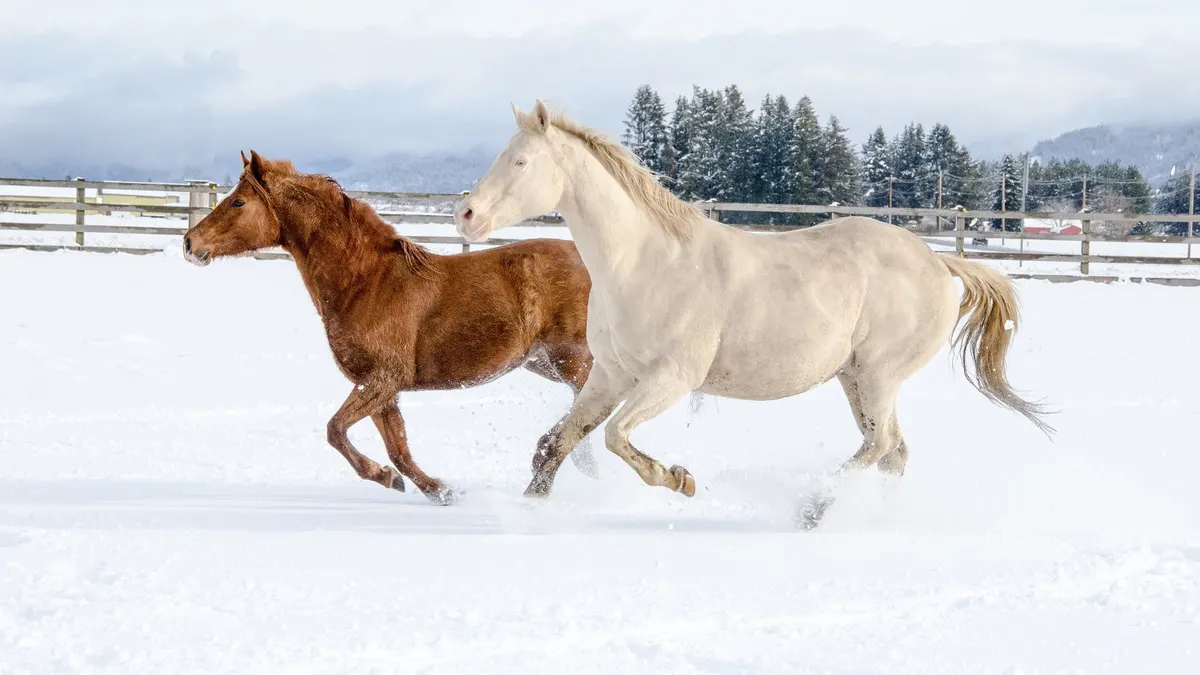
Winter holidays can bring travel, gatherings, shorter daylight, and changes to ordinary schedules. Horses still depend on predictable care, while the people responsible for them may have less time or energy. Planning ahead can help maintain familiar routines and make it easier to notice when a horse’s needs change.
Keep daily care predictable
Horses generally benefit from consistent timing for feeding, turnout, stall care, and observation. When a usual caregiver will be away or busy, arrange coverage with someone who understands the horse’s normal routine and can follow written instructions. Include feeding amounts, water checks, turnout arrangements, medication directions if applicable, and contact details for the horse’s veterinarian and a backup caregiver.
Explain what is normal for each horse, such as appetite, movement, manure, and behavior. A clear handoff helps another person recognize a meaningful change instead of guessing. If weather or travel disrupts the schedule, prioritize essential care and communicate any adjustments to everyone involved.
Maintain feeding and water consistency
A sudden change in feed or feeding times can be difficult for a horse. Keep familiar forage and feed available when possible, and avoid offering holiday foods or unfamiliar treats. Make sure clean water is accessible and check that buckets, troughs, and automatic waterers are working. Cold conditions may reduce drinking, so water access deserves regular attention.
Any planned dietary change should be gradual and suited to the horse’s needs. For questions about a horse’s diet, hydration, or a noticeable change in appetite, consult a veterinarian or qualified equine nutrition professional. Do not assume that a horse needs more feed simply because temperatures have dropped; appropriate intake depends on the individual, workload, forage, and condition.
Prepare for cold and changing conditions
Check fences, gates, footing, shelter, and equipment before severe weather arrives. Remove or address hazards such as icy paths and blocked drainage. Blanketing decisions depend on the horse, its coat, body condition, health, shelter, and local weather. Blankets should fit properly and be checked often for dampness, rubbing, or damage.
Observe horses for signs of discomfort or illness, including unusual shivering, weakness, labored breathing, or a marked change in behavior. A veterinarian can advise on health concerns and cold-weather care for a particular horse. Keep a practical plan for storms, power interruptions, and delayed travel, including safe water access and a way to reach help.
Make busy schedules manageable
Personal wellbeing is part of a sustainable care plan. Set realistic limits on holiday commitments, allow time for travel to the stable, and identify backup coverage before a conflict arises. Sharing tasks can reduce pressure, provided responsibilities and timing are agreed upon clearly. A simple checklist can help keep essential care visible when days become crowded.
Rest, meals, warm clothing, and safe travel matter for caregivers, too. Fatigue and rushing can increase the chance of missed details around horses. If stress or exhaustion becomes difficult to manage, consider speaking with a licensed mental health professional or doctor. Planning modestly and keeping communication clear can help protect both horse care and personal wellbeing through a busy season.