Living Alongside Skunks on a Horse Property
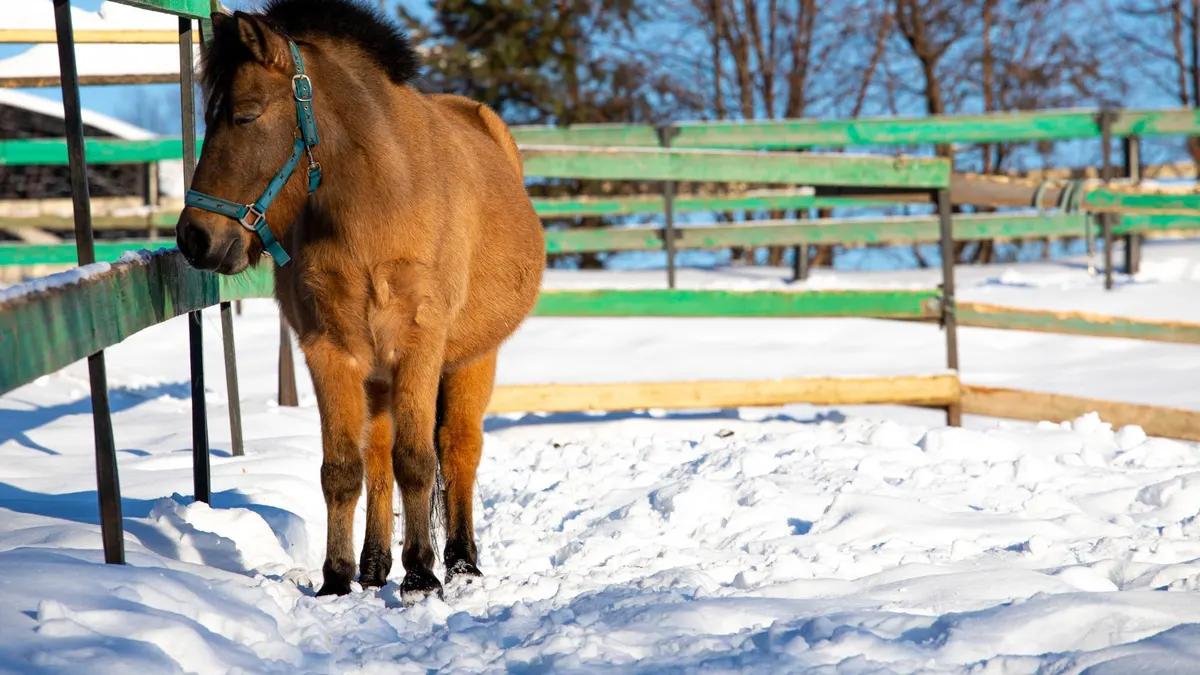
Skunks, raccoons, opossums, and other small wildlife may visit horse properties in search of food, water, or shelter. Their presence is not automatically a danger to horses, but close encounters can startle animals or create a risk of bites, scratches, and contamination. Practical prevention and a calm response help keep people, horses, and wildlife safer.
Make Feed and Waste Less Accessible
Stored grain, supplements, and treats can attract wildlife when containers are open or damaged. Keep feed in sturdy, tightly closed containers and store them inside a secure room when possible. Clean up spilled grain promptly, and avoid leaving buckets or food scraps where wildlife can reach them.
Secure garbage in lidded containers and manage compost so it does not provide easy access to food. Pick up fallen fruit and clear away other edible scraps. Birdseed and pet food can also attract visitors, so consider their placement and storage as part of the property’s overall wildlife plan.
Reduce Shelter Near Busy Areas
Skunks often use sheltered, quiet spaces such as gaps beneath sheds, woodpiles, or dense vegetation. Keep hay and lumber orderly, maintain clear sightlines around entrances, and close gaps in buildings where animals could settle. Before blocking an opening, check that no animal is inside. A wildlife professional can advise on safe, lawful ways to address an established den.
Use care around any hidden space, especially during periods when young animals may be present. Do not reach into burrows, piles, or dark corners. Avoid disturbing wildlife simply because it is nearby; focus on preventing access to feed and reducing surprise encounters in areas used by horses and people.
Respond Calmly to an Unexpected Encounter
If a skunk appears, give it room and keep people and horses away. Do not approach, corner, chase, or try to handle it. Move slowly toward a secure area and allow the animal an unobstructed route to leave. A horse that notices wildlife may become unsettled, so guide it away without rushing or placing anyone between the horse and the animal.
If a skunk raises its tail, turns toward a person, or stamps its feet, increase distance. These behaviors can signal that it feels threatened. Keep dogs away as well; a close approach may provoke a defensive spray or a bite. If the animal seems injured, trapped, unusually unafraid, or unable to leave, contact an appropriate local wildlife professional rather than attempting rescue.
Protect Health and Review the Property
Do not touch wildlife, saliva, or a carcass with bare hands. A bite or scratch from a wild mammal warrants prompt advice from a doctor or veterinarian, depending on who was exposed. If a horse has a wound or may have contacted an ill animal, consult a veterinarian. Local public-health or wildlife authorities can explain relevant precautions in the area.
Regular checks of feed rooms, gates, waste containers, and sheltered spaces can reveal attractants before they lead to repeated visits. Consistent housekeeping and respectful distance support safer coexistence without treating wildlife as an enemy.