Why Horses Are Chosen for Equine-Assisted Activities
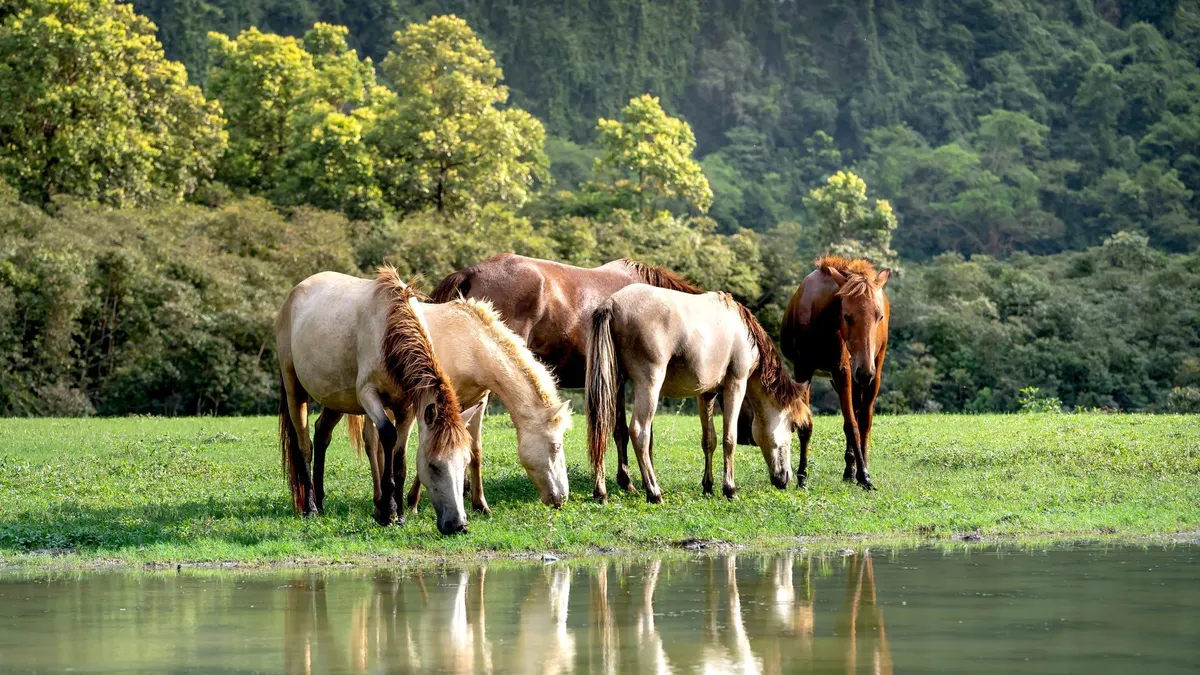
Horses are included in some equine-assisted activities because their behavior offers opportunities to observe communication, awareness, and interaction. Their responses can draw attention to posture, movement, distance, and changes in the surrounding environment. These characteristics may support structured activities led by a trained facilitator, but they do not make every horse suitable for every setting or guarantee a particular outcome.
Awareness shaped by prey-animal behavior
As prey animals, horses are adapted to notice changes in their environment. They may orient toward a sound, movement, or unfamiliar object, and their attention can shift quickly. This sensitivity is part of normal behavior rather than a deliberate judgment of a person. In a supervised activity, noticing what captures a horse’s attention can prompt participants to consider how surroundings affect focus and comfort.
A horse’s reactions also provide practical information about the conditions in which an activity is taking place. A crowded area, sudden noise, or approach from an unexpected direction may cause a horse to move away or become alert. Facilitators need to read these signals, adjust the activity, and maintain safe space. The horse’s welfare and ability to withdraw from interaction should remain central.
Social behavior and group dynamics
Horses commonly form social relationships and use signals to manage proximity and interaction. Within a group, they may approach, move aside, follow, or maintain distance. These behaviors can make social boundaries visible, although they should not be treated as direct equivalents of human thoughts or relationships.
Activities involving more than one horse may offer a setting for observing how individuals respond to one another. A facilitator might invite participants to notice which horse approaches, how much space each animal maintains, or how group movement changes. Such observations can support discussion of communication and boundaries without assigning human motives to the animals.
Sensitivity to body language
Horses respond to combinations of cues, including posture, orientation, movement, vocal sounds, and distance. A person who turns toward a horse, reaches out, or changes pace may affect the horse’s response. These interactions can help make nonverbal communication more noticeable, especially when a facilitator guides participants to observe rather than assume what a horse is feeling.
Responses vary between horses and across circumstances. A horse may react differently depending on familiarity, health, training, fatigue, or the environment. Calm behavior does not necessarily indicate agreement or emotional safety, and movement away should be respected. Participants should follow clear instructions and avoid interpreting a single gesture as a definitive message.
Suitability, safety, and wellbeing
Equine-assisted activities can differ in purpose and format. Some involve observation or ground-based interaction; others may include additional tasks. A qualified facilitator should match the activity to participants’ needs and the horse’s temperament, training, and condition. Appropriate supervision, consent procedures, hygiene, and risk management are important, and riding is not required for an activity to include horses.
Horses are chosen in part because their awareness, social behavior, and sensitivity make interaction observable. These qualities can create useful opportunities for reflection, but they are not a substitute for professional care. When an activity relates to physical or mental health, a veterinarian should address the horse’s health, and a licensed therapist or doctor should provide relevant human healthcare guidance.