Herd-Based Horse Keeping: Space, Social Life, and Daily Care
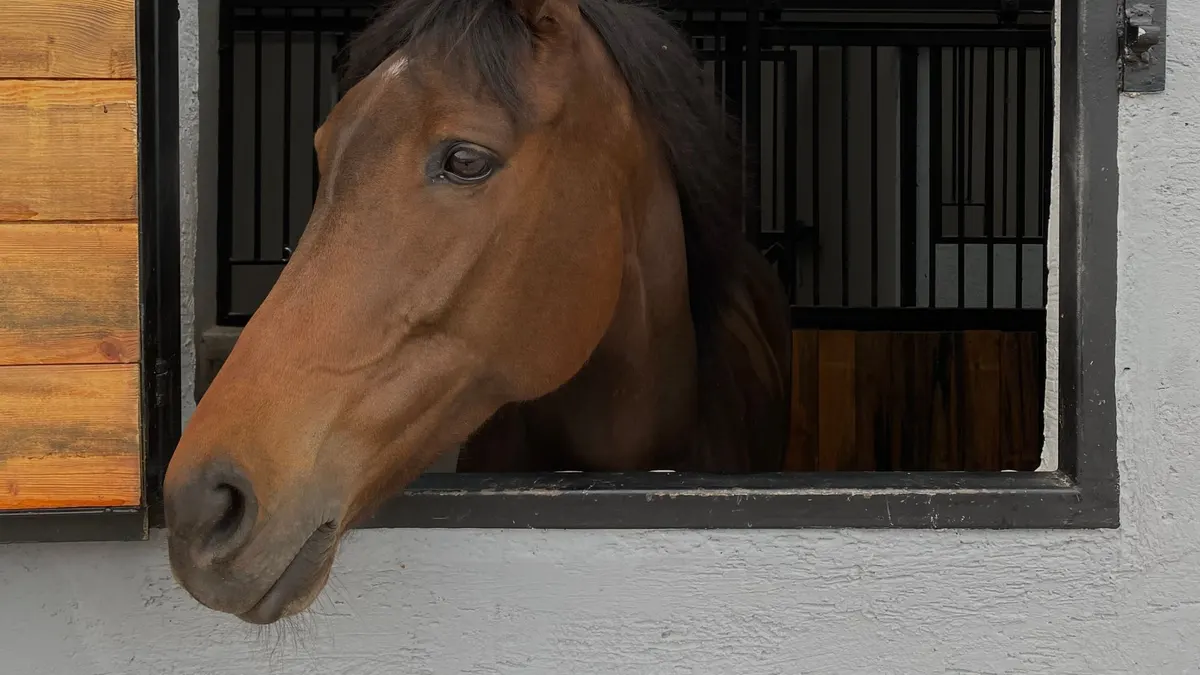
Herd-based horse keeping organizes care around movement, social contact, and access to outdoor space. Rather than spending most of the day in individual stalls, horses may live in compatible groups with extended turnout. A track system can guide movement around a paddock or pasture, placing forage, water, and shelter at different points. These arrangements can offer useful choices, but they do not remove the need for close observation, individual care, and routine work.
How Track Systems Shape Movement
A track system is a narrow or winding route around a larger area, often designed to encourage horses to move between resources. Its layout may include firm footing, open sections, and access to sheltered areas. The route needs to suit the land, climate, number of horses, and maintenance capacity. Mud, ice, deep footing, or poorly placed gates can make movement difficult, so surfaces and drainage need regular attention.
Forage placement affects how horses use the space. Several feeding locations can reduce crowding and encourage movement, but feeding arrangements should account for individual needs and competition. Water must remain accessible and clean. Fences, gates, and shelter should be checked routinely, with enough room for horses to pass without being trapped or cornered.
Managing Social Groups
Horses are social animals, yet group living does not guarantee that every combination will be safe or comfortable. Introductions can cause tension, and changes in group membership may alter established relationships. A suitable plan allows time for gradual introductions and provides space to move away from conflict. More than one route to key resources can help prevent a dominant horse from blocking access.
Daily observation helps identify changes such as a horse being excluded from forage, new injuries, altered movement, or reduced appetite. Separate areas may be needed for feeding, rest, recovery, or individualized management. A veterinarian can advise on health concerns, while a qualified equine behavior professional can help assess persistent group conflict or handling difficulties.
Turnout and Individual Needs
Extended turnout gives horses more opportunity to walk, rest, and interact at their own pace. The right arrangement depends on each horse’s health, temperament, diet, and ability to cope with the group and environment. Some horses need controlled exercise, restricted grazing, medication, or temporary separation. These needs can be accommodated within a herd-based setup, but they require planning and reliable monitoring.
Weather also shapes turnout decisions. Shade, wind protection, dry resting areas, and safe footing matter in different conditions. Pasture access may need adjustment to protect land and manage grazing. A track can help organize access, but it is not a substitute for appropriate nutrition, hoof care, or veterinary attention.
The Work Behind the Setup
Daily chores remain substantial. Caretakers may need to check every horse, refill water, distribute forage, remove manure, inspect fencing, maintain footing, and monitor shelters. Feeding and medication routines must be clear, especially when horses have different requirements. Equipment and surfaces can need repair, and weather may increase the workload.
Good herd-based management balances freedom of movement with practical safeguards. Clear routines, safe facilities, attentive supervision, and plans for separating horses when needed support consistent care. The setup should be evaluated as conditions change, including seasonal shifts, herd changes, and emerging individual needs.