Finding a Sense of Connection in Nature and Around Horses
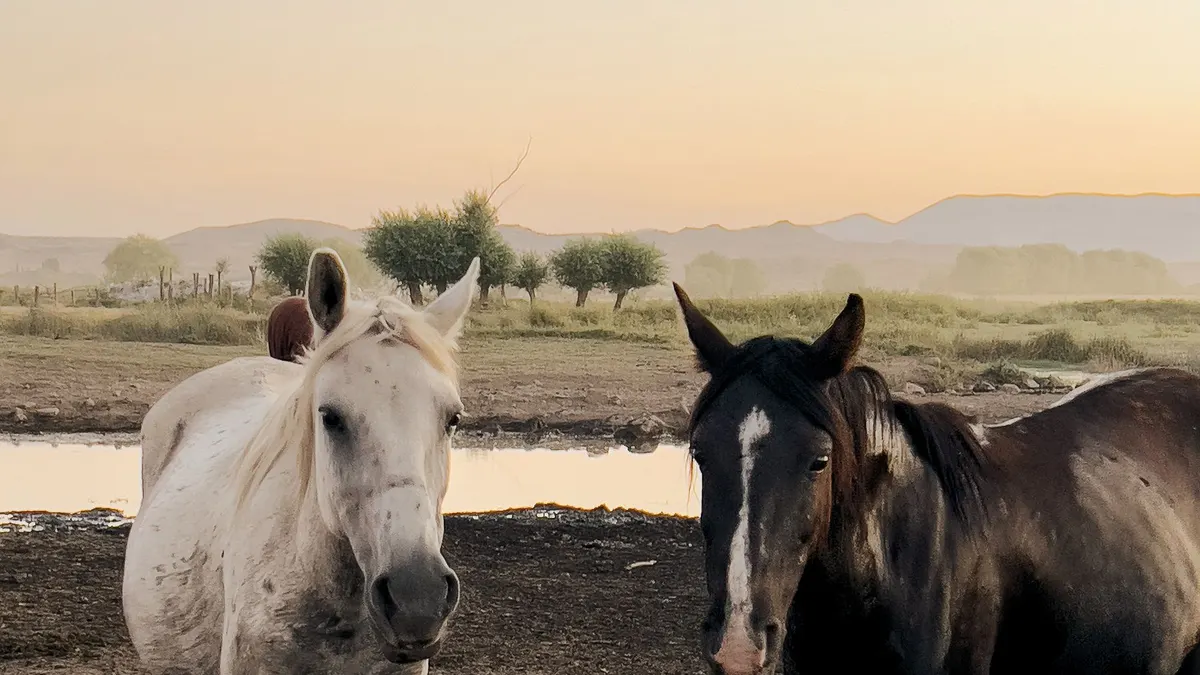
People use the word wholeness in different ways. It may describe a feeling of being present, at ease with one’s surroundings, or less divided between thoughts and immediate experience. For some, that feeling arises outdoors or while quietly observing animals. It is personal and can change with circumstances; no particular setting or activity guarantees it.
Being near a horse can draw attention to movement, posture, sounds, and the shared space between a person and an animal. A horse may respond to nearby activity, but its behavior should not be treated as a message about a person’s inner state. Quiet observation can be meaningful without assigning human emotions or intentions to the animal.
What connection can feel like
A sense of connection may involve noticing relationships among the body, the environment, and other living beings. Someone might feel absorbed in the rhythm of walking, aware of wind through grass, or attentive to a horse shifting its weight. These moments do not need to produce a dramatic emotion. Simple awareness can be enough.
Feeling connected is not the same as always feeling calm or complete. People can have mixed reactions outdoors, including boredom, sadness, discomfort, or distraction. Weather, access, mobility, culture, and personal preference also shape how an outdoor setting feels. There is no single correct response.
Making time outdoors unhurried
A modest plan can leave room to notice what is already present. Choose a familiar, safe place, allow time without packing in several tasks, and settle at a comfortable pace. Possible ways to spend that time include:
- Walking slowly and noticing changes in light, sound, or ground underfoot.
- Sitting near a garden, field, or stable and observing activity without trying to interpret it.
- Watching birds, leaves, clouds, or an animal’s ordinary movements from a respectful distance.
- Taking a short pause to notice breathing and bodily comfort, then returning attention to the surroundings.
When horses are present, follow the stable’s safety guidance, respect barriers and personal space, and avoid approaching or feeding an unfamiliar horse. A qualified horse professional can explain safe ways to be nearby. The animal should be free to move away, and observation does not require touching or handling.
Respecting limits and different needs
Outdoor time can be adapted to a person’s comfort. A sheltered bench, a window with a view, or a brief visit may suit better than a long walk. Sensory sensitivities, allergies, mobility needs, fear of animals, or changing weather may make some settings unsuitable. Another natural setting can offer a similar chance to pause and pay attention.
These activities are general wellbeing ideas, not medical or psychological advice, and they do not treat health conditions. Anyone seeking help for a physical or mental health concern should consult a qualified doctor, licensed therapist, or other appropriate professional. A sense of wholeness is a personal description, not a measure of health or a result that nature or animals can promise.