Horse-Keeping Traditions in Rural France
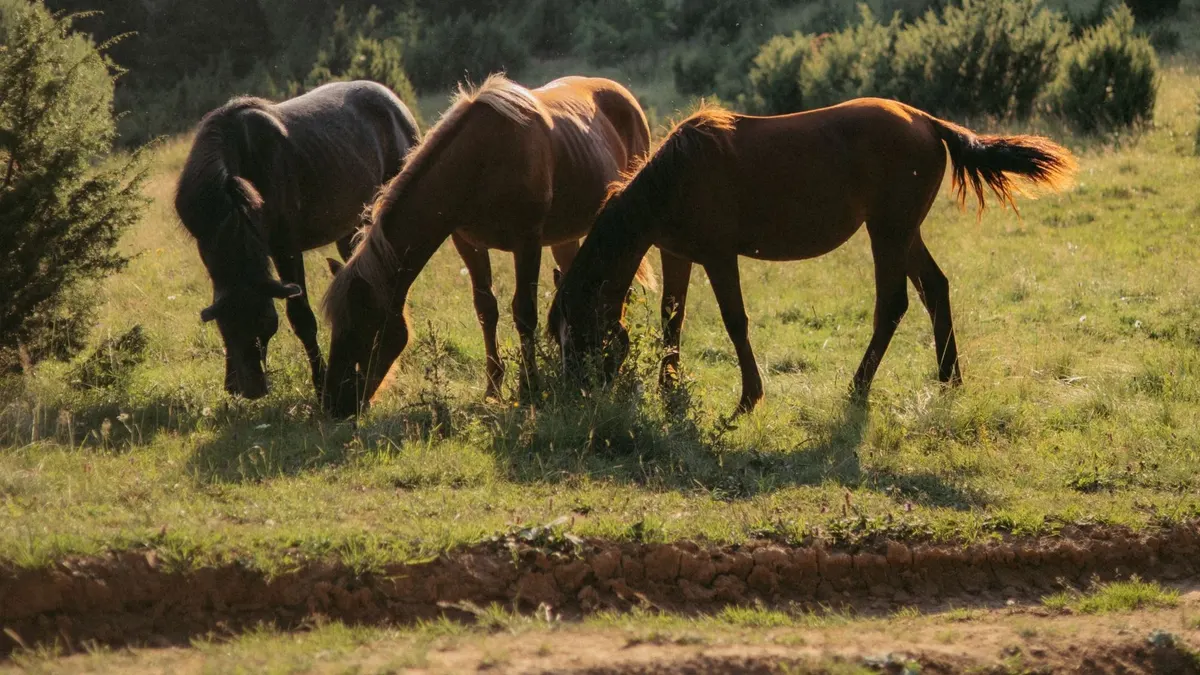
Horse keeping in rural France varies with terrain, climate, farming practices, and local priorities. In some areas, horses are associated with pasture-based care and leisure riding; elsewhere, they remain connected to agriculture, livestock handling, or forestry. Travellers may notice that stable routines are shaped less by a single national custom than by the needs of each landscape and community.
Regional landscapes and horse use
In Normandy, a region of green pasture and a long equestrian tradition, horse facilities may sit alongside dairy farms and mixed agricultural holdings. The mild, often damp climate makes drainage, shelter, and pasture management important considerations. Visitors may see paddocks divided by hedges, barns adapted to changing farm needs, and horses used for riding or breeding.
In the Camargue, wetlands, open grazing areas, and cattle work are closely associated with the region’s distinctive local horses. The animals are commonly seen in groups on pasture, while riders may work around livestock or travel across broad, level terrain. In the Pyrenees and other upland areas, smaller, hardy horses suit steep paths and seasonal grazing. Stable arrangements there can be more compact, with access to sheltered ground and careful attention to weather.
Rural areas in central and western France also have working-horse histories. Draft breeds, including the Percheron and Breton, were developed for strength and agricultural tasks. Although machinery has changed farm work, these horses may still appear in demonstrations, woodland work, carriage driving, or local events.
Breeds and practical roles
Breed names often reflect particular regions, but present-day use does not always follow old boundaries. A draft horse may be kept for recreation or conservation work, while a riding horse may live on a family farm. For travellers, the more useful observation is how feeding, turnout, shelter, and exercise match the horse’s role and the conditions of the property.
Working settings can require steady routines. Horses used around cattle may need confidence in busy environments, while animals kept for trail riding may be accustomed to varied footing and changing groups of riders. These roles call for appropriate training, sound handling, and attention to individual temperament.
What visitors may notice at a stable
Stable life often follows the rhythm of feeding, turnout, grooming, and maintenance. In a small rural yard, equipment may be stored beside farm tools, and several activities may share the same buildings. A visitor might notice muddy boots, hay in a loft, gates designed for pasture access, or horses brought in according to weather and workload. Such details reflect practical management rather than a uniform style.
Local customs may also shape how horses are presented and handled. Some areas have traditions of mounted livestock work or regional gatherings, while other stable settings focus on lessons, trail access, or everyday care. Visitors should follow the stable’s safety instructions, ask before approaching or feeding a horse, and avoid entering paddocks without permission.
Care across different settings
Rural conditions bring distinct responsibilities, from managing parasites and grazing to maintaining safe fencing and reliable water. Needs differ with age, workload, season, and health. Questions about a horse’s welfare or suitability for travel should be discussed with a veterinarian or another qualified professional. Across regions, good care depends on attentive observation and management suited to each horse and place.