Continuing to Learn After an Online Horse Course
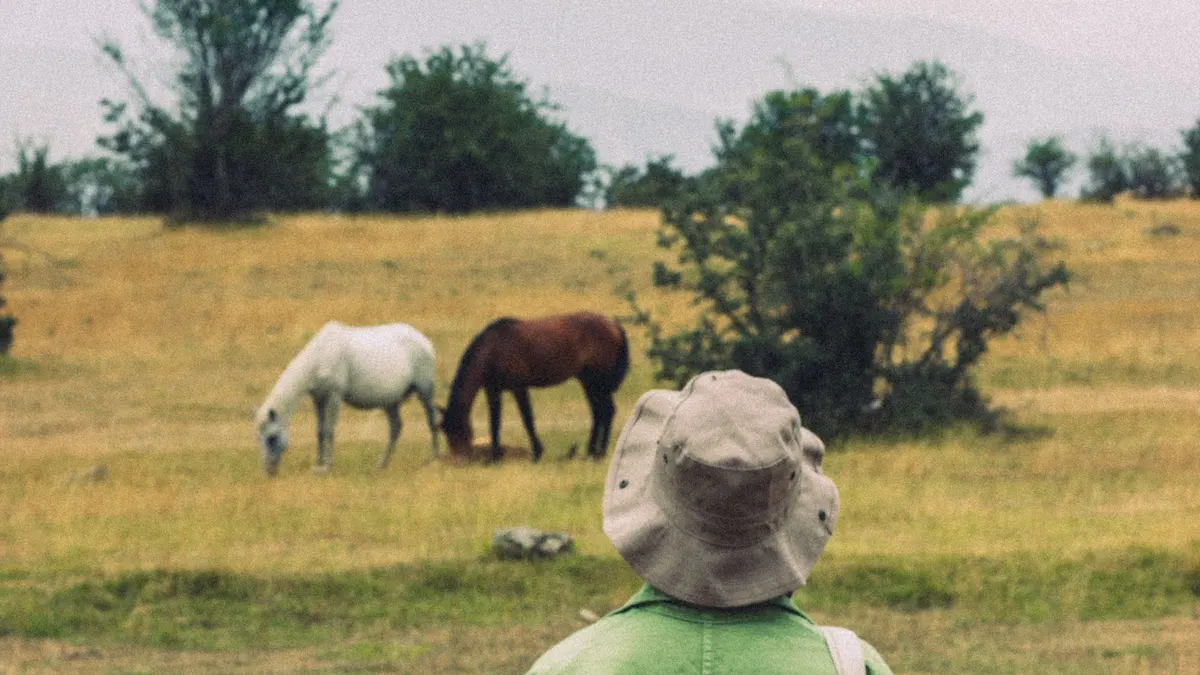
An online course or conference can introduce many ideas in a short time. Once sessions end, the useful task is to sort those ideas, connect them with everyday situations, and decide what merits further attention. A steady plan can make learning easier to retain without trying to change several routines at once.
Review and organize notes
Set aside a brief period to revisit notes while the sessions are still familiar. Group points by subject, such as horse behavior, handling, welfare, or human safety. Mark questions separately from practical suggestions so an interesting possibility is not mistaken for established guidance.
For each useful point, write a short summary in plain language. Add the setting where it might apply and any limits mentioned during the course. For example, a suggestion about approaching a horse may depend on the horse’s familiarity, environment, or current behavior. If the conditions are unclear, treat the idea as a question to investigate rather than an instruction to follow.
Choose one skill to practice
Select a single, manageable skill that fits the person’s role and the horse’s needs. This might involve observing body language from a safe distance, preparing equipment in a consistent order, or pausing to notice changes in the surroundings before handling begins. A narrow focus makes it easier to pay attention to details and see whether a new approach is workable.
Practice in suitable conditions, with appropriate supervision when needed. Avoid testing unfamiliar handling methods on a horse simply to see what happens. If a horse appears distressed, behaves unpredictably, or has a health concern, prioritize safety and consult a qualified veterinarian or experienced equine professional as appropriate. Course material is general information, not a substitute for individual assessment or professional advice.
Notice what happens and adjust
After practicing, record a few observations: what was attempted, what the horse did, what felt clear, and what remains uncertain. Keep descriptions specific and neutral. “The horse moved away when the gate opened” is more useful than assigning a motive without enough context.
Review the notes after several opportunities rather than judging a skill from one moment. If the approach seems confusing or produces an unwanted response, pause and seek knowledgeable guidance before continuing. Learning includes recognizing when a technique does not fit a particular horse or situation.
Choose the next step thoughtfully
Once the first skill feels familiar, decide whether to continue practicing it, refine one part, or explore a related subject. A next step could be a more focused lesson, a discussion with a qualified professional, or reading material that addresses a specific question. Check the source’s qualifications and whether its guidance distinguishes general principles from individual needs.
Keeping a short list of open questions helps prevent information overload. Progress does not require applying every idea from a course. Careful review, one skill at a time, and attention to the horse’s responses provide a grounded way to continue learning.