Reading a Horse’s Body Language
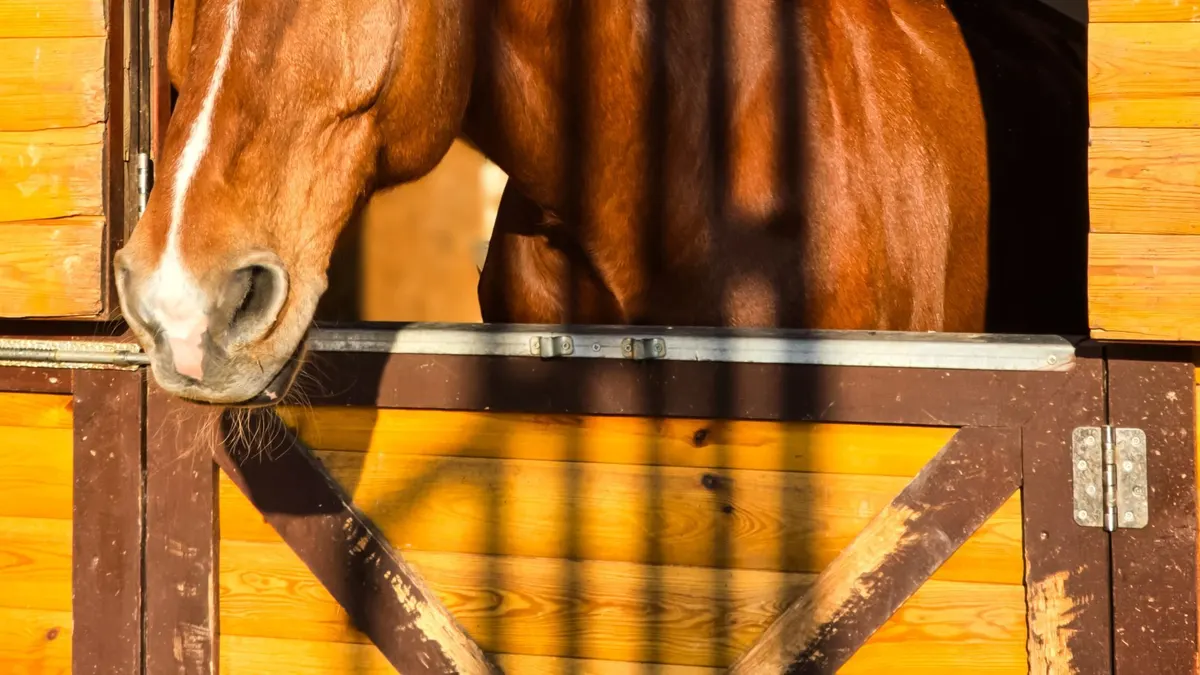
Horses communicate largely through movement and posture. The position of the ears, the way the tail is carried, breathing patterns, and the set of the body can offer clues about attention or comfort. These signals are not fixed translations: the same gesture can mean different things depending on the situation, the horse, and what is happening nearby. Observing several signs together is more useful than interpreting one movement on its own.
Ears and attention
Ears that turn toward a sound or person often show that the horse is noticing something. Ears that move in different directions may reflect attention to several things at once. Ears held loosely to the sides can occur when a horse is resting, while ears held back may signal concentration, irritation, discomfort, or awareness of something behind. Ear position alone does not establish what a horse intends. Look for accompanying changes in the face and body, and consider whether the horse can move away from the source of concern.
Tail and whole-body posture
A tail that hangs naturally and moves gently may be consistent with a settled state. Swishing can help dislodge insects, but repeated or forceful swishing may also accompany agitation or discomfort. A tightly clamped tail, a raised tail, or abrupt changes in carriage deserve attention in context rather than an immediate conclusion.
Stance provides additional information. A horse standing with an even, relaxed posture may be at ease, while shifting weight, bracing, turning away, or repeatedly stepping can suggest uncertainty or a wish for more space. A lowered head and soft-looking muscles may accompany rest, but they do not prove that the horse is comfortable. Familiarity with the individual’s usual posture helps make changes easier to notice.
Breathing and signs of tension
Quiet, regular breathing is common when a horse is resting. Faster or more forceful breathing can follow exertion, heat, excitement, or stress. The setting matters: observe whether breathing settles after activity and whether other signs are present, such as flared nostrils, rigid muscles, wide eyes, or difficulty standing comfortably. A change in breathing that seems unusual, persists, or occurs with other concerning signs warrants assessment by a veterinarian.
Tension may appear as a combination of a raised head, fixed gaze, stiff posture, held breath, or quick, abrupt movements. Relaxation can involve softer muscles, steady breathing, and a willingness to stand or move without repeatedly pulling away. Neither state should be judged from a single feature; fatigue, weather, insects, pain, and unfamiliar surroundings can all affect behavior.
Responding to the context
Observe from a safe distance and notice what happens before and after a behavior. Changes associated with handling, noise, other horses, or a particular movement can help identify what may be affecting the horse. Allowing room to step away and avoiding sudden pressure can reduce the chance of escalating tension. Persistent or unexplained behavior changes may have a physical cause, so a veterinarian can assess the horse’s health. When human wellbeing or emotional concerns are involved, a licensed therapist or doctor can provide appropriate guidance; interpreting body language is not a substitute for professional care.