Finding Gratitude in Everyday Time With Animals
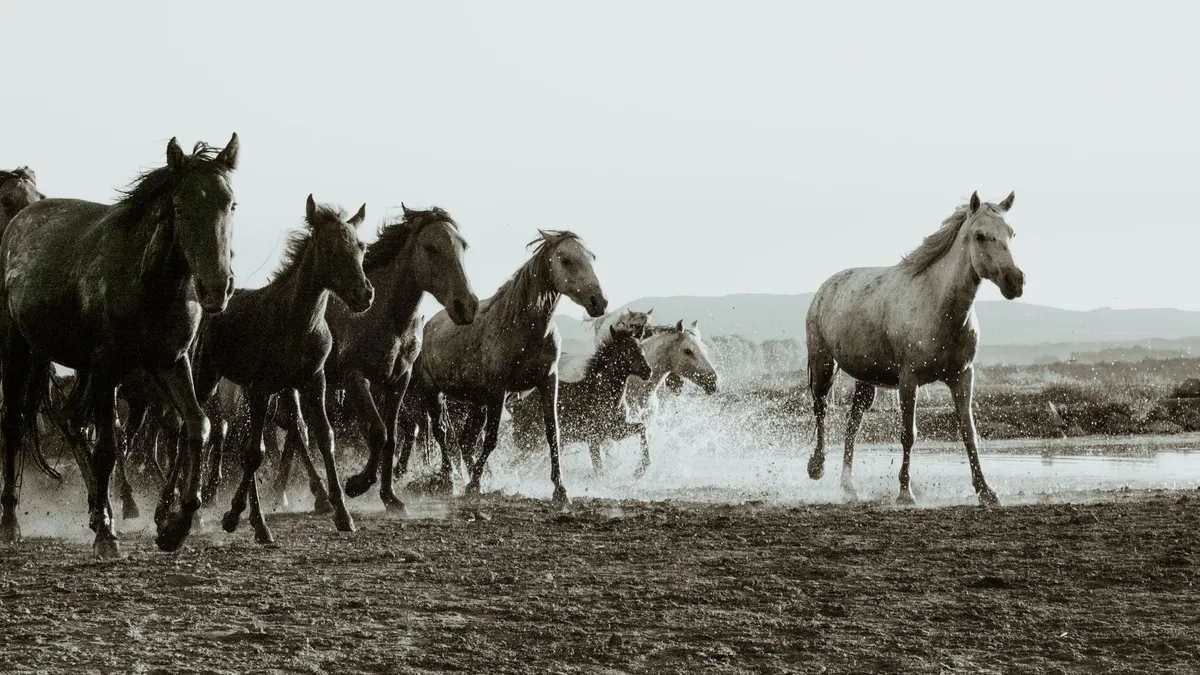
Time around animals can include routine tasks, quiet pauses, and unexpected moments. A gratitude practice can draw attention to small details within these ordinary experiences, such as the sound of a horse chewing hay or the warmth of a dog resting nearby. The purpose is not to force a positive feeling or overlook difficult parts of the day. It is simply to notice what is present and, when it feels genuine, acknowledge something appreciated.
Notice One Small Detail
Choose a detail that is easy to observe rather than searching for a major reason to feel grateful. During feeding, that might be the familiar rhythm of a horse waiting calmly. While grooming, it could be the texture of a soft coat or the time spent brushing away dust. A person caring for another kind of animal might notice a steady purr, a curious glance, or the welcome routine of filling a water bowl.
Specific observations make the practice concrete. “The horse stood quietly while the brush moved along its shoulder” records an event; it does not require a judgment about what the animal intended. This distinction can keep gratitude grounded in what was actually seen, heard, or felt.
Fit the Habit to an Existing Routine
A gratitude practice is more likely to remain manageable when it is attached to something already happening. A brief pause before opening a stall door, filling a feed container, or putting away grooming tools may be enough. Some people prefer to think of one appreciated detail. Others may jot down a few words later. There is no need to keep a daily record or make every interaction into an exercise.
Keep the practice flexible. If a task is busy, an animal seems unsettled, or attention needs to remain on safety, the pause can be skipped. Missing a day does not undo the habit. Returning to it during a later routine is sufficient.
Make Room for Mixed Feelings
Care for animals can involve concern, fatigue, expense, and uncertainty as well as affection and enjoyment. Gratitude does not require denying those realities. A person can appreciate a calm moment while still feeling worried about an animal’s health, or feel thankful for companionship while finding a demanding care task difficult.
Animals also have individual needs and boundaries. An animal that moves away, appears tense, or declines contact should be given space rather than approached to create a meaningful moment. Respectful observation can itself be something to value, while the animal’s comfort and safety remain the priority.
Keep Expectations Modest
Noticing something appreciated may offer a moment of attention, but it does not guarantee a particular emotional result. The practice is not a substitute for veterinary care or mental health support. Concerns about an animal’s health belong with a veterinarian. For ongoing distress or questions about emotional wellbeing, a doctor or licensed therapist can provide appropriate guidance.
A realistic habit can be as small as recognizing one ordinary detail during time with an animal. Some days, nothing comes to mind, and that is acceptable. Returning without pressure allows the practice to stay connected to daily life rather than becoming another task to complete.