Observation and Intuition in Horse Work
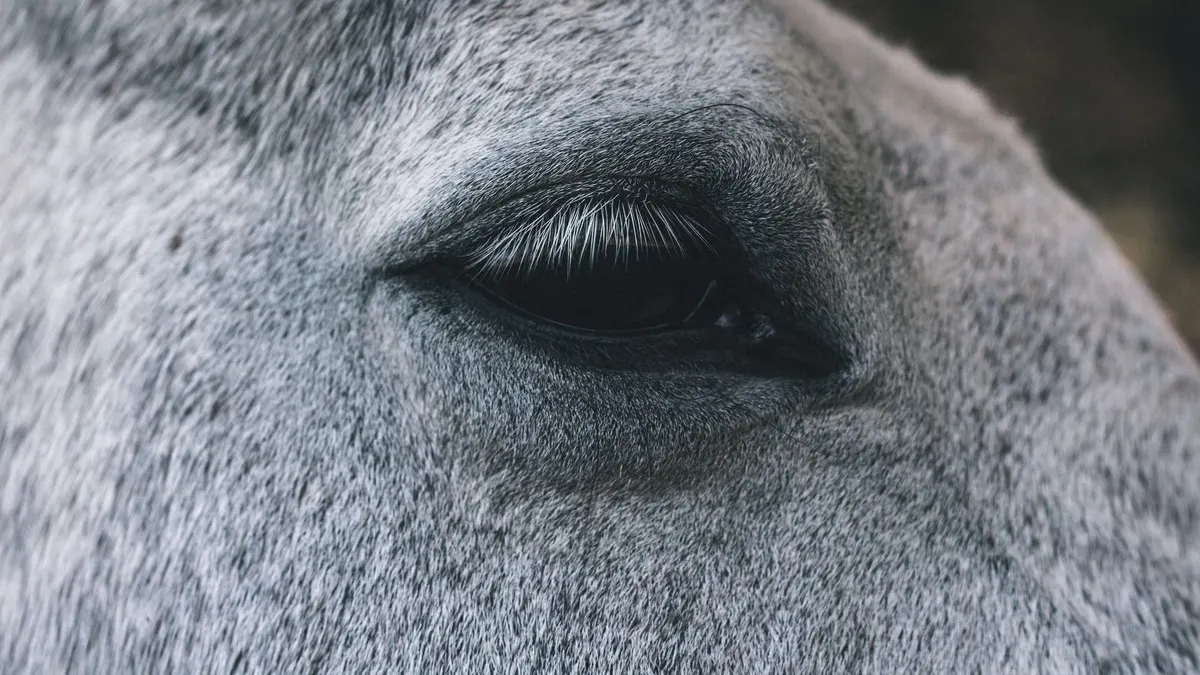
Working with horses involves noticing movement, posture, attention, and responses to people and surroundings. It also involves making sense of those observations. Keeping the two processes distinct can reduce the chance that an interpretation is mistaken for a fact. Intuition may draw attention to something worth checking, but careful observation provides a clearer basis for decisions.
Describe What Is Visible
A useful observation is specific and tied to a moment or setting. For example, “the horse turned its head toward the gate when a cart passed” describes an action. “The horse was worried about leaving” adds an explanation that may or may not be accurate. Other possible descriptions include “stood with the left hind leg resting,” “moved away when the saddle was lifted,” or “looked toward the feed area several times.”
Neutral wording does not mean ignoring context. Note what happened just before the behavior, where it occurred, and what changed afterward. A horse that steps away while a person approaches may respond differently when approached in a familiar paddock or when another horse is nearby. Recording context helps keep a description useful without claiming to know the horse’s thoughts.
Use Intuition as a Question
A quick impression can be valuable as a signal to pause. A person may sense that a horse is less settled than usual, even before identifying a particular change. Treat that impression as a question: What can be seen or heard? Is the horse moving differently, responding more slowly, or reacting to a new sound? Is the environment different from the usual routine?
Intuition alone cannot establish a cause. Restlessness could relate to surroundings, handling, discomfort, or other factors. Avoid treating a guessed emotion or motive as confirmed. If behavior changes suddenly, appears concerning, or raises questions about pain or health, seek guidance from a veterinarian. Questions about a person’s emotional wellbeing are best discussed with a licensed therapist or doctor, as appropriate.
Keep Notes Simple and Concrete
Brief notes made soon after an interaction are often easier to interpret than broad summaries written later. A practical entry can include:
- Setting: location, activity, and notable conditions.
- Observation: actions or sounds described without an assumed motive.
- Response: what the handler did and what followed.
- Interpretation: a tentative possibility, clearly marked as an impression.
For instance: “In the indoor area, the horse stopped twice near the doorway when a loose tarp moved. The handler waited; the horse then walked forward.” A separate note might say, “Possible sensitivity to tarp movement; check in a calm setting.” This format preserves the event while leaving room for other explanations.
Look for Patterns Without Forcing Them
Over time, notes may reveal repeated circumstances or changes. Compare similar situations rather than treating one event as proof of a pattern. Record exceptions as well as repetitions, and avoid filling gaps with assumptions. A simple record supports clearer discussion among handlers and qualified professionals, while leaving uncertainty visible. The aim is not to decode every behavior, but to notice accurately, respond thoughtfully, and revise an interpretation when new observations do not fit.